Safer Dentistry Begins with You.
CUSPID Institute™ helps dental teams prevent avoidable incidents, protect patient trust, and reduce liability risk.
Everyone makes mistakes. Even the most skilled healthcare professionals are not immune. Dentistry is no exception. Errors and system failures can lead to adverse events, resulting in patient harm, permanent injury, and in rare cases, death.
A review of published dental incident reports found that nearly one-quarter of patients involved in an adverse event experienced permanent harm, and approximately one in ten of those events resulted in death.
At CUSPID Institute™, we advance dental patient safety using nationally recognized frameworks, including the Pediatric Dentistry Safety Toolkit and the Johns Hopkins Medicine CUSP (Comprehensive Unit-Based Safety Program), adapted specifically for dentistry. Our approach strengthens systems, reduces risk, and supports safer, more reliable care.
CUSPID™ (Comprehensive Unit-Based Safety Program in Dentistry) is our innovative, evidence-based model designed to prevent patient harm and elevate the standard of care across every dental setting. We translate safety principles into daily workflows for the entire dental team.
Patient safety is a key priority of Healthy People 2030, particularly within its focus on Health Care Quality. This priority emphasizes reducing harm and improving the safety of care, aligning directly with CUSPID Institute’s mission to advance dental patient safety and support safer care for all.
Patient safety is also a global priority of the World Health Organization (WHO). Through its Global Patient Safety Action Plan 2021–2030, WHO calls for countries and health systems to eliminate avoidable harm in health care and to build a culture of safety that emphasizes learning from errors, improving systems, strengthening communication, and engaging patients and health care professionals in safety. This global framework reinforces the principle that patient harm is not simply the result of individual mistakes, but often reflects system failures, communication breakdowns, and weaknesses in organizational culture—principles that are directly applicable to dentistry and central to CUSPID Institute’s mission. WHO Global Patient Safety Action Plan 2021–2030

Our Vision
A future where no patient experiences preventable harm in dental care.
Our Mission
To educate and empower dental teams to prevent patient harm, strengthen teamwork and communication, and build a culture of safety through evidence-based education and continuous improvement.
Our Goal
To make patient safety an integral part of dental practice—so that safer care becomes the standard, not the exception.
Why Is Patient Safety Training in Dentistry Necessary?
The American Academy of Pediatric Dentistry (AAPD) recognizes patient safety as a fundamental component of high-quality oral health care for infants, children, adolescents, and individuals with special health care needs. It encourages oral health professionals to thoughtfully evaluate the environments in which care is delivered and to implement systems that improve patient safety.
While pediatric dentistry has helped advance safety practices, patient safety is not limited to pediatric settings. Adverse events can occur in any dental environment.
Research indicates that up to 80% of patient safety incidents are preventable. For this reason, CUSPID Institute™ bases its training on proven safety practices from medicine, helping dental professionals reduce preventable harm while also strengthening practice performance and protecting patient trust.
Did You Know?
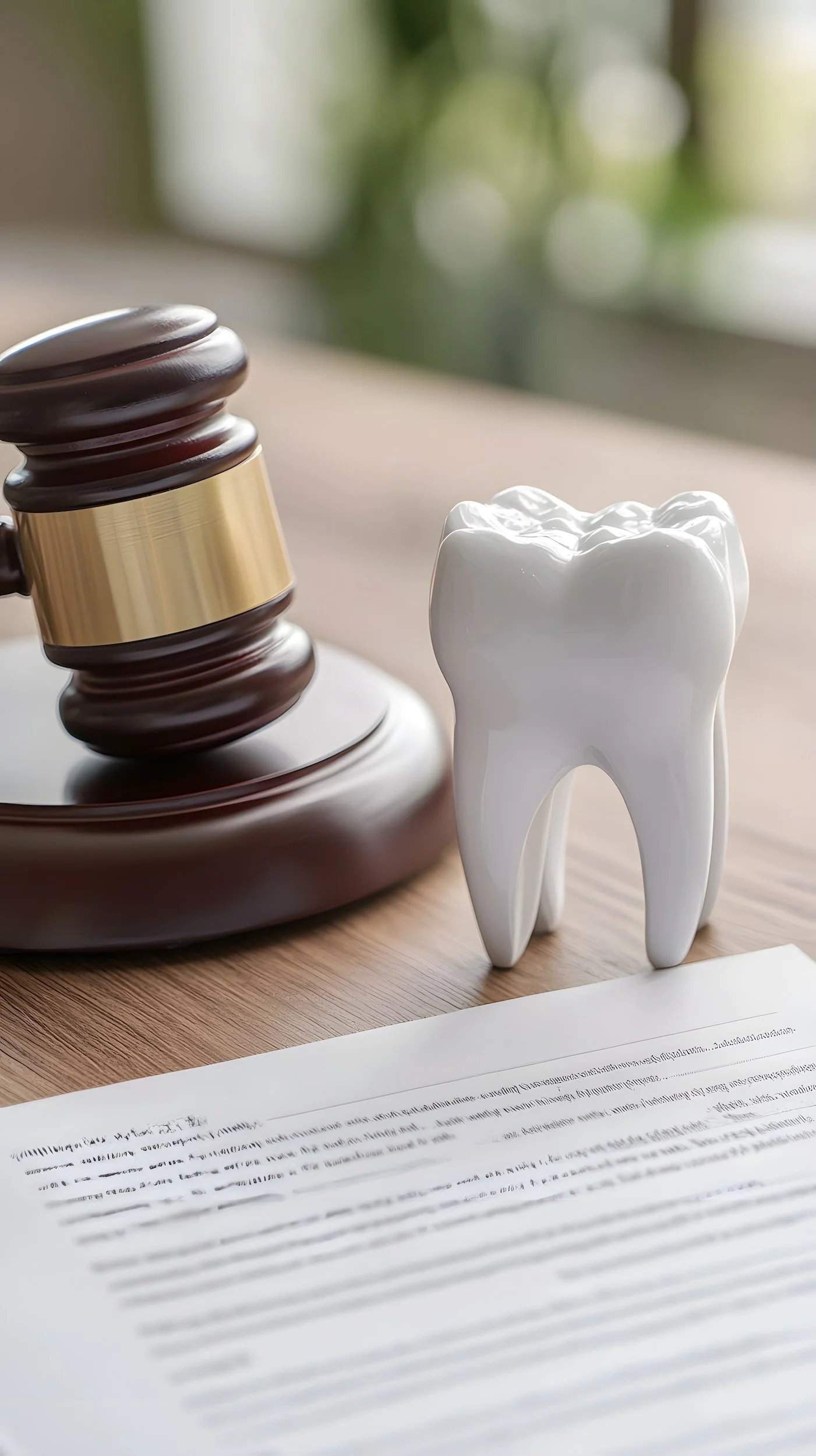
A preventable dental error in South Carolina resulted in the removal of the wrong teeth during a planned extraction. The case led to a negligence ruling and a jury award of $2 million in damages, including $1.5 million in punitive damages.

How CUSPID Training Differs from Traditional OSHA Training?
OSHA focuses on provider safety. OSHA training protects dental staff through regulatory compliance and workplace safety measures, such as PPE protocols, exposure control plans, and infection prevention systems.
CUSPID focuses on patient safety. Patient safety training protects patients by preventing clinical errors, adverse events, and communication breakdowns during dental care. CUSPID equips dental teams with practical, proven tools, including safety checklists, time-out protocols, just culture, root cause analysis, and systems that encourage staff to speak up for safety.
👉 OSHA protects providers. 👉 CUSPID protects patients. When both are done right, everyone wins.
Patient Safety Training & Quality Improvement Overview
We start with the SafeSmile Survey™ (S³) to assess your team’s safety culture, followed by customized training for your dental team. You can also receive advanced training and 4 CE credits, which makes your office eligible for SafeSmile Certified Office™ recognition, a prominent display in your reception area that demonstrates your commitment to patient safety. Additionally, to address your specific patient safety concerns, we provide in-depth consultation using quality improvement tools such as Root Cause Analysis (RCA) toolkits and Plan-Do-Study-Act (PDSA) cycles.
-
The SafeSmile Survey™ (S³) measures your team’s safety culture and identifies strengths and areas for improvement. Based on the results, we provide customized training tailored to your dental team.
-
After your initial safety training, you may choose to receive advanced 2-hour safety sessions to deepen your team’s skills. Completing this training makes your office eligible for SafeSmile Certified Office™ recognition, which can be proudly displayed in your reception area as a testament to your commitment to patient safety.
-
We provide consultations to address your office’s specific patient safety challenges. Using proven tools like Root Cause Analysis (RCA) and Plan-Do-Study-Act (PDSA) cycles, your team learns how to investigate incidents, implement effective changes, and continuously strengthen safety practices.
After successful completion of SafeSmile Survey™ (S³), customized training, and advanced training, dental practices will be awarded the SafeSmile Certified Office™ recognition. This certificate can be proudly displayed in your office and used in marketing to showcase your commitment to maintaining a safe dental environment and prioritizing patient safety.